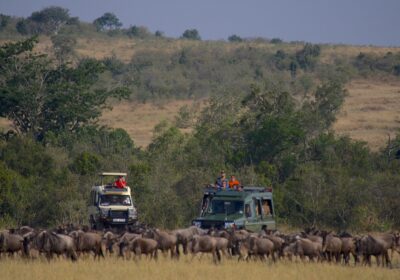
The Great Migration is one of the most extraordinary wildlife spectacles on Earth. Each year, more than a million wildebeest, accompanied by hundreds of thousands of zebras and gazelles, move in a continuous cycle across the Serengeti ecosystem in Tanzania and into Kenya’s Maasai Mara in search of fresh grazing and water.
For travelers planning a Tanzania safari, understanding where the herds are located at different times of year is essential to seeing this phenomenon at its best. This guide explains how the migration works, where to go month by month, and how Tuma Africa Safaris helps guests experience it in the right place at the right time.
What Is the Great Migration?
The Great Migration is not a single journey from point A to point B. It is a year-round circular movement driven by rainfall patterns and grass regeneration. As the seasons change, massive herds shift across plains, woodlands, and river systems within the greater Serengeti ecosystem.
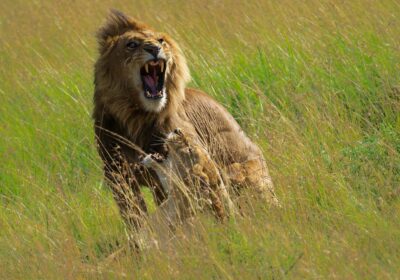
Predators such as lions, cheetahs, leopards, hyenas, and crocodiles follow the herds closely, making the migration one of the most dramatic wildlife events anywhere in Africa.
Although parts of the migration extend into Kenya, the majority of the annual cycle takes place in Tanzania, making it one of the best countries in the world to witness this natural phenomenon.
Why Tanzania Is Ideal for Seeing the Migration
Tanzania contains the largest portion of the migration route, including the southern Serengeti plains, central Serengeti, Western Corridor, and Northern Serengeti near the Mara River. This means travelers can experience different stages of the migration without leaving the country.
From calving season to river crossings, Tanzania offers multiple opportunities throughout the year to see the herds in action. By selecting the right region and timing your visit correctly, you can enjoy remarkable wildlife encounters regardless of when you travel.
The Great Migration Month by Month
Understanding seasonal movements is key to planning a successful migration safari. While nature is never completely predictable, the following guide reflects typical patterns observed over many years.
January to March: Calving Season in the Southern Serengeti
During these months, the herds gather on the short-grass plains of Ndutu and the southern Serengeti. This is calving season, when hundreds of thousands of wildebeest give birth within a short period.
The abundance of newborn calves attracts predators, resulting in frequent hunting activity and excellent wildlife viewing. These months are ideal for photographers and travelers interested in dramatic interactions and lush green landscapes.
April to May: Moving North Through Central Serengeti
As long rains arrive, the herds begin moving northwest toward the central Serengeti and the Western Corridor. The landscape becomes verdant, and fewer tourists visit during this period, creating a quieter safari experience.
Although river crossings are less common at this time, the scenery is beautiful and wildlife remains plentiful across the parks.
June to July: Western Corridor and Grumeti River
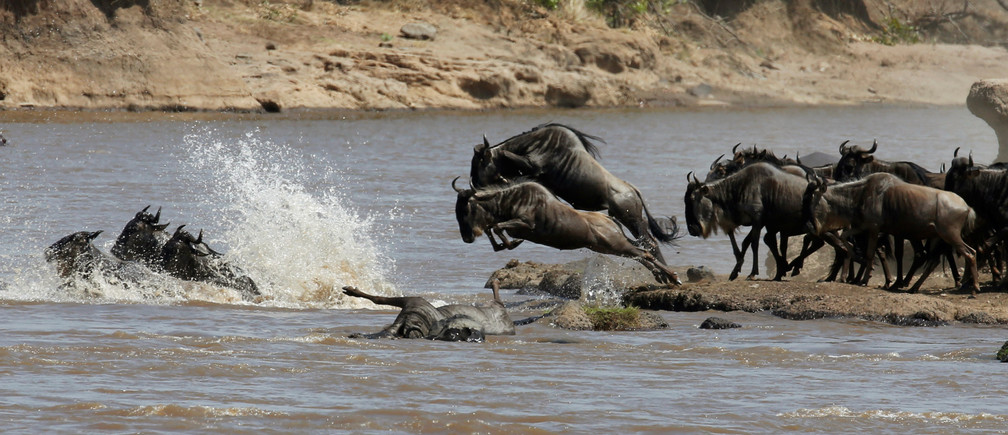
By early dry season, the migration often concentrates in the Western Corridor near the Grumeti River. Here, travelers may witness dramatic river crossings as crocodiles wait in the water and herds gather along the banks.
This period also offers excellent general game viewing, as vegetation thins and animals become easier to spot.
July to September: Northern Serengeti and Mara River Crossings
These months are the most famous time to see the migration. The herds reach the Northern Serengeti near the Mara River, where they attempt dangerous crossings into Kenya.
Large groups build up along the riverbanks, sometimes waiting days before plunging into the water. When crossings occur, the spectacle is intense and unforgettable. This is peak safari season, and advance booking is essential.
October to December: Returning South
After crossing back and forth between Tanzania and Kenya, the herds gradually drift south through the eastern Serengeti as short rains begin. By December, many animals are once again heading toward the southern plains in preparation for the next calving season.
This transitional period offers excellent wildlife viewing with fewer crowds than mid-year peak months.
Best Places in Tanzania to See the Migration
Key regions include the Southern Serengeti and Ndutu for calving, Central Serengeti for general movement and predators, the Western Corridor for Grumeti River crossings, and the Northern Serengeti for Mara River drama.
Each area offers a different perspective on the migration, and combining regions in a single itinerary increases your chances of encountering the herds.
Tuma Africa Safaris carefully selects camps and lodges located close to current migration routes to reduce driving time and maximize game-viewing opportunities.
When Is the Best Time to Go?
The best time to see the Great Migration depends on what you want to experience. Calving season from January to March is ideal for predator action and photography. River crossings are most likely from July to September in the Northern Serengeti and around June to July in the Western Corridor.
Because the migration follows rainfall rather than a fixed calendar, working with experienced local operators is essential. Tuma Africa Safaris tracks conditions on the ground and adjusts itineraries accordingly.
How Tuma Africa Safaris Plans Migration Safaris
Tuma Africa Safaris designs itineraries around current herd movements rather than rigid routes. Our team monitors reports from guides, pilots, and park contacts to determine where the animals are concentrating.
We recommend specific regions, select strategically located camps, and structure daily game drives to give guests the best possible chance of witnessing crossings, calving events, and predator activity.
Private safaris allow for maximum flexibility, enabling guides to spend extra time at sightings or change routes as conditions evolve.
Tips for Planning a Great Migration Safari
Book well in advance for peak river-crossing season, especially between July and September. Be flexible with travel dates when possible, as wildlife movement can change quickly. Choose mobile or seasonal camps for prime positioning near migration routes, and plan to spend several nights in one region to increase your chances of witnessing major events.
Combining migration areas with other parks such as Ngorongoro Crater or Tarangire can create a well-rounded Tanzania safari experience.
Experience the Great Migration with Tuma Africa Safaris
The Great Migration is a natural event unlike anything else in the world. With the right timing, locations, and expert guiding, it becomes the centerpiece of an unforgettable African adventure.
Tuma Africa Safaris specializes in tailor-made Tanzania safaris designed around the movement of the herds. Contact our team today to begin planning your journey into the heart of the Serengeti ecosystem.